





Symetrix Simplifies Audio for Fergus Chapel
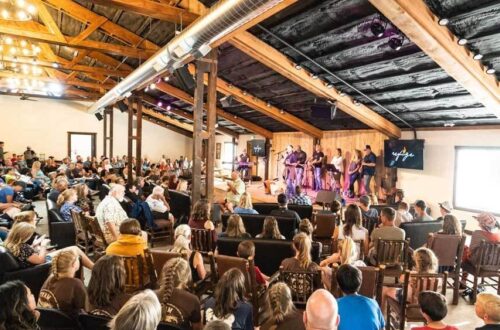
During the annual EAA AirVenture, a globally renowned week-long aviation festival, the chapel transforms into a bustling hub of activity, hosting a revolving door of visitors amidst a crowd of over 700,000 attendees. Despite its critical role, the chapel’s audio system was outdated and inadequate, making it difficult to deliver a quality experience for the diverse events held there.
August Kuehn, Principal at Next Level Systems and John Lindstedt, Owner of Last Pew Sound Engineering, LLC, both avid aviation enthusiasts with deep ties to the EAA, noticed the struggles posed by the chapel’s failing system. “It was a train wreck,” Lindstedt recalls. “Even though it’s a small space, good sound reinforcement and ease of use were essential—especially considering the variety of people who come in and out of the chapel every weekend and every day during AirVenture.”
With the chapel’s high turnover of users and limited technical resources, the solution needed to be as simple as it was effective. August explains the vision: “We needed to design something that anyone could walk into and figure out how to use almost instantly. The system had to be intuitive, with no room for confusion or error.” Ultimately, for this project, Symetrix quickly emerged as the ideal choice, particularly for its advanced DSP (digital signal processing) technology and user-friendly interface.
The installation centered around Symetrix T-5 touchscreen controllers, allowing users to manage the entire audio system through familiar, smartphone-like interfaces. “Everyone knows how to use a cell phone,” says August. “That’s essentially what the touchscreens provide—an experience that feels natural and intuitive for every user.”
The touchscreens are more than just control panels; they act as the brains of the system, managing the entire setup via a Symetrix Prism 8×8 digital signal processor. These DSPs optimized sound processing and dynamic audio control, tailored to a variety of events and user preferences. Through its customizable interface, the touchscreen offers simple, one-touch presets that adapt the system for different events. Whether it’s a wedding, ceremony, or AirVenture service, users can adjust inputs, volume levels, and other settings with minimal effort, ensuring quick transitions between activities.

With its clear, icon-driven layout, the interface eliminates guesswork, allowing even those unfamiliar with audio systems to operate it confidently. Additionally, the Symetrix premium audio Prism DSP algorithms enable automatic adjustments to sound levels, keeping the audio experience consistent and high-quality throughout the event—whether the chapel hosts a small, intimate gathering or a large, high-energy crowd during AirVenture.
The Symetrix Prism DSP also allows for intelligent signal routing and real-time monitoring of audio levels, ensuring that any adjustments required—whether due to speaker placement or microphone changes—are handled automatically. This advanced functionality reduces the need for constant manual adjustments, making the system much easier for users to operate and troubleshoot. If issues arise, the touchscreen provides system alerts or recommendations, facilitating swift resolution.
Beyond their intuitive interfaces, Symetrix ensures seamless integration across the entire system. The chapel’s setup incorporates speakers, a Crown CDi1000 amplifier and Shure BLX-R wireless microphones, andTascam CD-400U Media Player for clear, reliable sound, all optimized through Symetrix’s DSP technology. This integration maximizes the system’s performance and reliability, as August notes, “Symetrix gives us the freedom to design exactly what’s needed. It’s intuitive, reliable, and adaptable for any challenge we throw at it.”
To ensure simplicity and functionality, the system was fully integrated into the chapel’s podium. Connectivity is streamlined, requiring only the attachment of speakers and power, keeping the design clean and clutter-free. “The beauty of this setup is that it eliminates complexity,” John explains. “There are no knobs, buttons, or switches that someone could accidentally adjust. The touchscreen is the single point of control.”
This minimalist approach was essential not just for usability but also for longevity. With the chapel funded primarily through donations, it was critical to install a system that would stand the test of time. “It’s got to last a long time,” John emphasizes. “This isn’t just a solution for the next five years—it’s built to support them for decades.”