










Improving AV Installation and Budget Efficiency: InfoComm Insights with Josh Carter
Go Beyond the Booth: What AV Pros Should Really Be Looking for at InfoComm 2026

Name: Josh Carter
Title: Technical Support Engineer II
What should AV consultants, integrators, and system designers be paying closest attention to at InfoComm 2026?
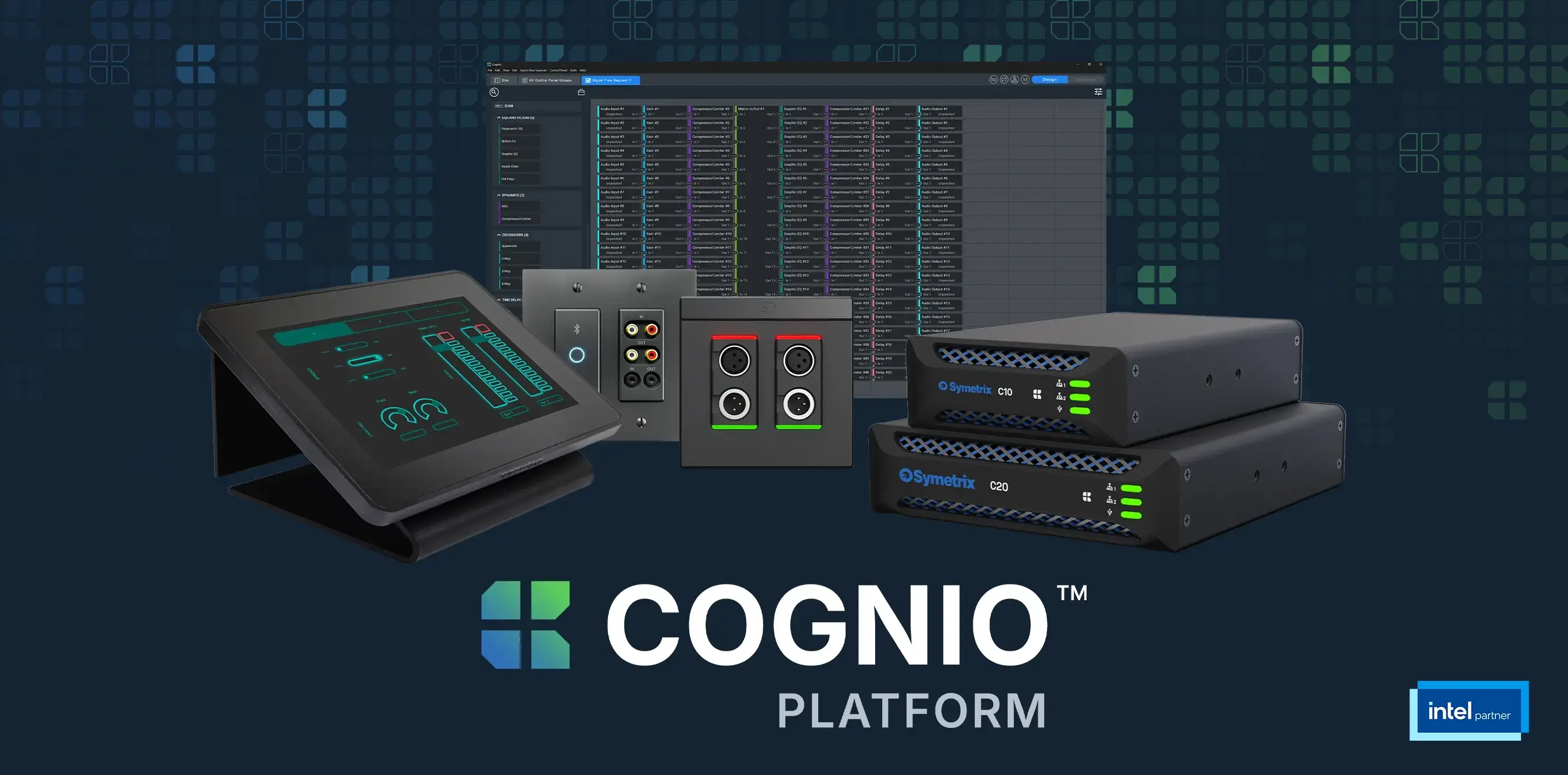
With the advent of Cognio, we shouldn't be surprised if other companies announce similar technology in development. I would also be on the lookout for more AI-related technologies that can assist everything from spec'ing to design, deployment to field support.
AI is expected to be a major theme at InfoComm 2026. What does “AI in AV” actually mean in practical terms for integrators, consultants, and end users?
There is significant potential for companies to develop their own AI tools to design, deploy, and troubleshoot systems. While AI isn't perfect and still needs checking by a human, if a manufacturer can offer a well-trained AI as an efficiency assistant to designers or the first point of contact for field technicians troubleshooting, this can greatly help minimize time waste in the whole process.
After an AV system is installed, what should organizations consider to ensure it continues to perform well over time?
Equipment can fail over time – it’s a hard reality. Integration companies shouldn’t be in a “set it and forget it” state of mind. Regular contact with clients or making sure clients know how to contact them for direct support, is huge. Keeping backup devices on hand can be a lifesaver for critical situations – especially if an installation is a major “zero-down-time” site; order extra equipment as backup. Remote monitoring is great for early warning and potential remote troubleshooting, but being prepared to engage with problems on-site is the meat of it - anything can happen, even with the best deployment standards. Well-trained staff become effective boots on the ground in the field. Too often, field techs walk into a site without any prior experience or training with a system. Then, to "just get it done", call that company's Support and spend valuable time either learning something for the first time or, worse, standing by while the Support agent takes over (so nothing is really learned). Proper training and use of resources is key in those high-pressure situations.
What are the benefits of designing and validating an AV system before all the hardware is physically installed?
Being able to simulate the system as closely as possible before actual installation drastically improves installation and budget efficiency. You already know what equipment is needed and how it's going to go together, and thus, can plan better when sending technicians out. Design the programming to the on-site needs, then equip more granularly to those needs (which can better mitigate overall costs) rather than in larger chunks that can feel wasteful if the new component is vastly more than needed, then finally, install more efficiently without making things up on the fly.
What is a distributed AV architecture, and why is it becoming more important?
Distributed architecture is the idea that there is no centralized processing for audio or control - no "master" point of failure. Instead, every “smart” device in the system works together to support the processing. If one particular device fails, you don’t have to bring down the entire system for any length of time. If you need more processing power, you don’t have to buy a new expensive device that might be vastly over-specified for the need. Just grab another smaller one to add only the needed extra resources. This granular, modular capability increases installation efficiency, reducing cost and headaches both for the Integrator and the Client.
Why does audio quality still matter so much in modern AV environments, even as video, AI, and collaboration tools get more attention?
From a Support (department) perspective, conferencing is where we see the most care put into audio quality. When audio is already coming through the internet, already compressed for data transfer, it's important for audio to be as high-quality and clear as possible from the start for the best intelligibility. These aren’t just video chats with family; these can be very critical conferences in government, business, and industry.
Meet with Symetrix at InfoComm 2026
Bio: Josh Carter is a Tier 2 Technical Support Engineer for Symetrix, Inc. Serving as a subject matter expert, he specializes in technical support, product training, documentation, and marketing development.